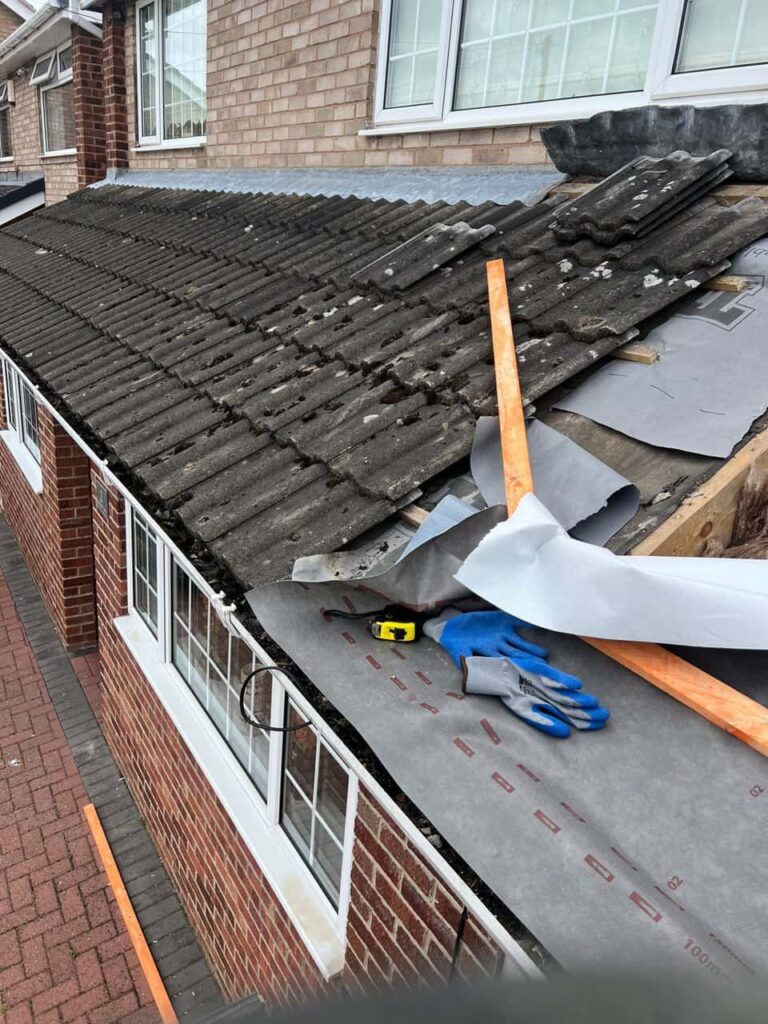
Roof leaks are often blamed on damaged tiles or ageing materials, yet one of the most common causes is a failure in lead flashing. This small but vital component plays a critical role in protecting roof junctions from water ingress. In homes across West Bridgford, Nottingham, lead flashing is often the difference between a watertight roof and persistent internal damp.
At West Bridgford Roofing Repairs, careful attention to flashing is considered essential when maintaining the long-term integrity of any roof.
What Lead Flashing Does
Lead flashing is installed at roof junctions where different materials meet, such as around chimneys, along walls, and at roof valleys. Its purpose is to create a flexible, weatherproof seal that directs water away from vulnerable areas.
Because lead can expand and contract with temperature changes, it remains effective throughout the year, maintaining protection during both warm and cold conditions.
Why Flashing Is More Important Than It Looks
While flashing may appear minor compared to roof coverings, it is often the first point of failure. Cracked, lifted, or poorly installed flashing allows water to seep behind tiles and into the roof structure. Once moisture enters these areas, it can travel unnoticed before showing signs inside the property.
Even a small defect in flashing can lead to widespread damage if left unaddressed.
Common Causes of Flashing Failure
Over time, lead flashing can become loose due to weather exposure or building movement. Poor installation methods, such as incorrect fixing or inadequate sealing, can also shorten its lifespan.
Debris buildup and repeated temperature changes may cause flashing to lift or split, reducing its ability to form a watertight seal.
The Risks of Ignoring Damaged Flashing
When flashing fails, water ingress can affect roof timbers, insulation, and internal finishes. Persistent moisture may lead to staining, damp, and structural deterioration within the roof space.
In many cases, homeowners are unaware of the true source of a leak until significant damage has already occurred.
The Value of Professional Inspection
Lead flashing should be checked regularly as part of routine roof maintenance. A professional inspection can identify early signs of wear or movement and ensure flashing remains correctly positioned and sealed.
Addressing flashing issues early helps prevent unnecessary disruption and protects the overall roof structure.
Conclusion
Lead flashing may be a small detail, but its role in preventing roof leaks is significant. Properly installed and maintained flashing safeguards critical roof junctions and prevents water from entering the property.
For homeowners in West Bridgford, Nottingham, West Bridgford Roofing Repairs provides expert inspections and repairs that focus on key components such as lead flashing. Taking action early helps keep your roof secure, dry, and reliable for the long term.
Call us on: 0115 647 1193
Click here to find out more about West Bridgford Roofing Repairs
Click here to complete our contact form and see how we can help with your roofing needs.