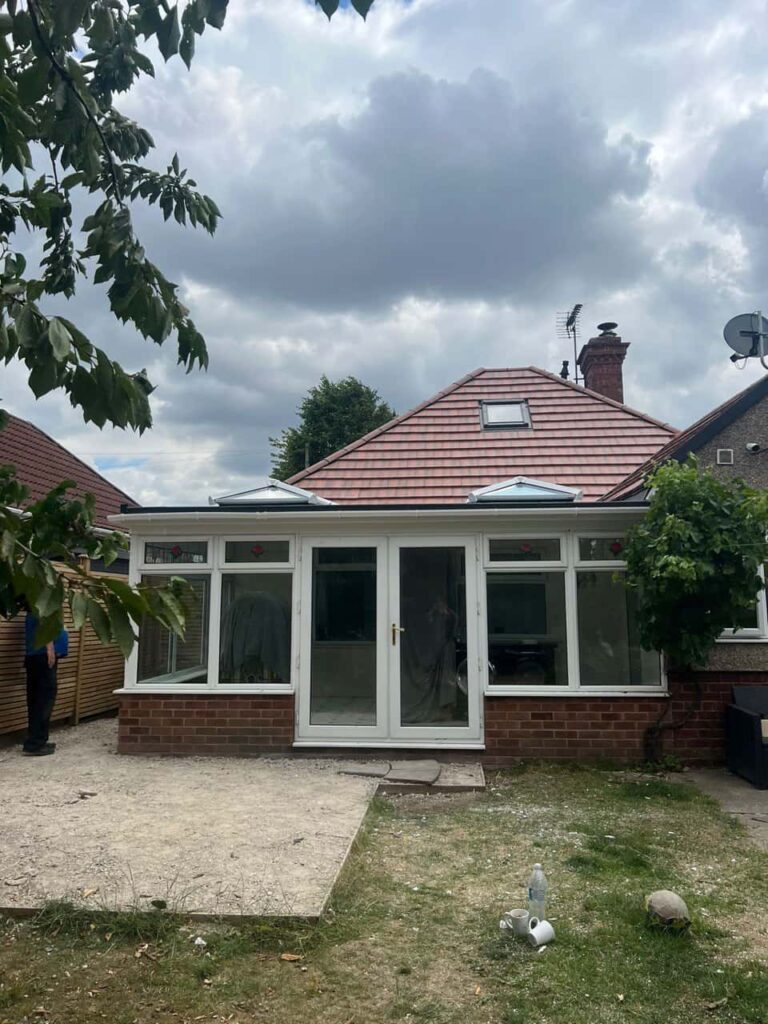
Heavy rain can put a roof under considerable pressure, exposing weaknesses that may have gone unnoticed during drier weather. While a roof may appear to be in good condition from the ground, prolonged rainfall can reveal issues with tiles, flashing, roof valleys, gutters and other important components.
For homeowners in West Bridgford, Nottingham, paying attention to what happens during and after heavy rainfall can help identify roofing problems before they develop into more serious damage. Understanding the warning signs makes it easier to arrange suitable repairs and maintain the protection your property needs.
Why Heavy Rain Exposes Roofing Defects
A properly maintained roof should direct rainwater away from the property through an effective system of coverings, joints and drainage components. However, even relatively small defects can become noticeable when rainfall is persistent or particularly heavy.
Water may enter through gaps around damaged tiles, deteriorated flashing or poorly sealed roof details. In some cases, the problem is not immediately visible externally because moisture travels along roof timbers or beneath the roof covering before appearing inside the property.
Heavy rain therefore provides an opportunity to recognise signs that the roofing system may not be performing as it should.
Water Stains on Ceilings and Internal Walls
One of the most recognisable signs of a roof leak is a damp patch appearing on an upstairs ceiling. These marks may initially look like small discoloured areas but can gradually spread if water continues to enter.
You may also notice:
- Yellow or brown staining on ceilings.
- Peeling paint or bubbling plaster.
- Damp patches around the top of internal walls.
- Dripping water near ceiling fittings.
- A persistent musty smell in upper rooms.
It is important not to assume that the visible stain is directly beneath the source of the leak. Water can travel along roof timbers and other surfaces before finding a route into the living space. A professional inspection can help trace the source accurately.
Damaged or Slipped Roof Tiles
Heavy rainfall can make existing tile problems more apparent. If a tile is cracked, loose or missing, water may pass through the exposed section and reach the layers beneath.
Even a small gap can allow repeated water penetration during prolonged wet weather. Wind accompanying heavy rain may also drive moisture beneath vulnerable sections of the roof covering.
After severe rainfall, look for visible signs of slipped or missing tiles from a safe position on the ground. Avoid climbing onto the roof, as wet surfaces can be particularly hazardous. A roofing specialist can inspect the affected area and determine whether individual tile repairs or more extensive work is required.
Problems Around Roof Flashing
Flashing is used to create weather-resistant joints where the roof meets features such as chimneys, walls and roof windows. These junctions can be vulnerable because they involve different materials and changes in the roof structure.
Over time, flashing may become loose, cracked or deteriorated. Heavy rain can expose these weaknesses by allowing water to pass through gaps that may not cause noticeable problems during lighter showers.
Dampness around chimney breasts, roof windows or upper wall junctions can sometimes indicate flashing defects. These areas should be inspected carefully to establish whether the flashing needs repair or replacement.
Blocked or Damaged Gutters and Downpipes
A roof drainage system plays an important role in directing rainwater away from the building. When gutters become blocked with leaves, moss or other debris, water may overflow instead of flowing towards the downpipes.
During heavy rainfall, this can lead to water running down external walls, collecting around the roofline or entering areas around the eaves.
Look for overflowing gutters, visible sagging, leaking joints and water spilling over the sides. Although some drainage issues can be resolved through gutter maintenance, damaged connections or incorrectly positioned components may require repair.
Keeping gutters clear helps reduce unnecessary moisture exposure around the roof edges and external walls.
Roof Valleys and Other Vulnerable Areas
Roof valleys are the internal angles where two sloping roof sections meet. They collect and channel significant amounts of rainwater, making them particularly important during periods of heavy rainfall.
If a valley becomes blocked with debris, damaged or poorly maintained, water may struggle to drain away effectively. This can increase the risk of moisture entering beneath the surrounding roof coverings.
Other vulnerable areas include ridges, roof edges and junctions around extensions. Regular inspections help identify defects before they lead to internal water damage.
Dampness in the Loft Space
Not every roof leak becomes visible immediately inside the home. Sometimes the first warning signs appear in the loft.
After heavy rain, signs to look out for include damp insulation, water marks on roof timbers, wet patches beneath the roof covering and unusual musty odours. These symptoms may indicate that moisture is entering through a defect or that condensation is contributing to damp conditions.
A careful inspection can help distinguish between rainwater penetration and condensation, as the two problems require different solutions.
Why Prompt Roof Repairs Matter
Ignoring signs of water penetration can allow a relatively small roofing defect to develop into a more extensive problem. Continued moisture exposure may affect insulation, plasterwork and timber components, while repeated leaks can make internal repairs more complicated.
Arranging a professional assessment when warning signs first appear helps establish the cause and identify the appropriate repair work. Not every leak requires major roofing work, but identifying the source is essential to achieving a lasting solution.
Conclusion
Heavy rain can reveal hidden roofing problems by exposing weaknesses in tiles, flashing, valleys and drainage systems. Water stains, damp loft spaces and overflowing gutters should not be ignored, particularly when these symptoms appear or worsen after prolonged rainfall.
If your property in West Bridgford, Nottingham, has shown signs of a leak following heavy rain, West Bridgford Roofing Repairs can help identify the cause and carry out suitable roofing repairs. Contact the team to arrange an assessment and help protect your property from further water damage.
Call us on: 0115 647 1193
Click here to find out more about West Bridgford Roofing Repairs
Click here to complete our contact form and see how we can help with your roofing needs.